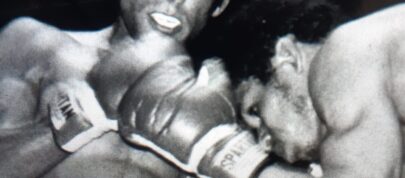
Jack Sharkey

%alt%

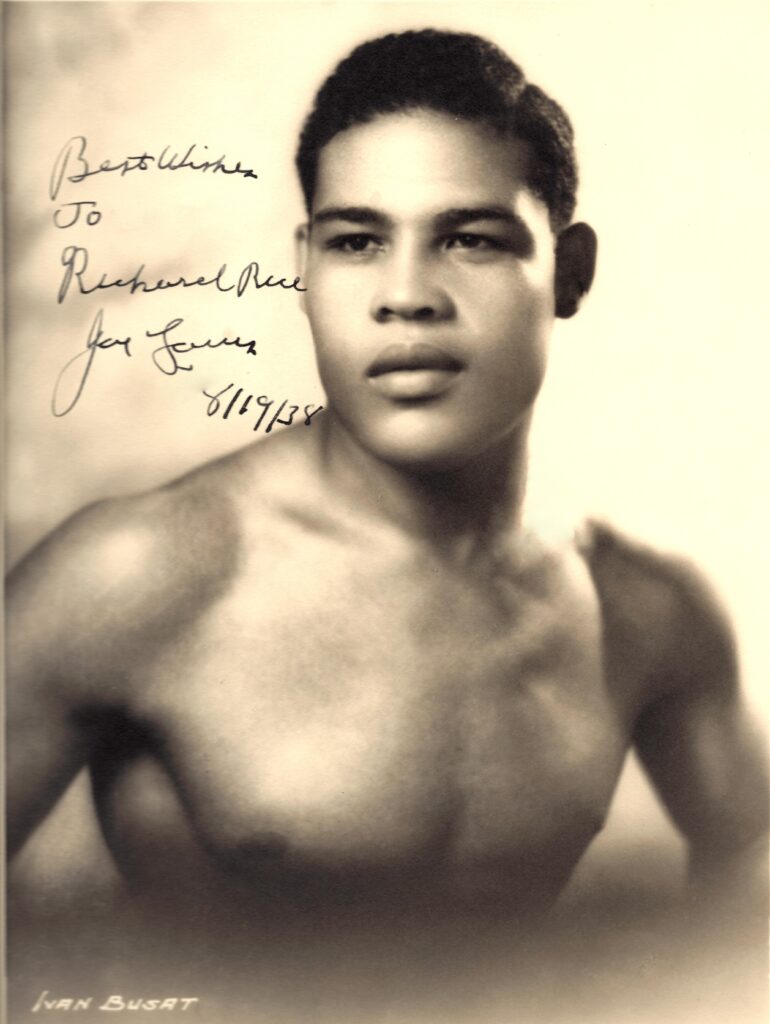
Joe Louis, an American Icon

Joe Louis, professional name of Joseph Louis Barrow, American boxer known as  “The Brown Bomber.” Born in Lafayette, Alabama. Champion from 1937-1949, regarded as one of the elite heavyweight champions of the 20th Century. Louis holds the record for 25 title defenses. He won the world heavyweight title in 1937 from James J Braddock by an eighth round knockout. He retired briefly in 1949 and failed to regain the title from new champion Ezzard Charles in 1950. Prior to the Charles loss, the only other fighter to defeat Louis was Max Schmeling in 1936.  In addition to his boxing prowess, Joe Louis broke racial barriers and became a cultural icon. At a time when segregation and racial inequality were rampant in America, Louis’s success in the ring and his dignity outside of it earned him respect from people of all backgrounds. He became a hero to African Americans and was seen as a unifying figure during a divisive era.After retiring from boxing, Louis faced financial difficulties, including tax problems with the IRS, and his health declined. He passed away on April 12, 1981. Despite these challenges, his legacy as one of boxing’s all-time greats remains intact, and he is celebrated as a pioneer who transcended the sport to become a symbol of hope and resilience. Joe Louis paved the way for future African American athletes, showing that it was possible for a Black man to achieve success and be celebrated in mainstream American society. Louis’s legacy is also tied to his role in the integration of sports. While Jackie Robinson broke the color barrier in baseball in 1947, Louis’s success in boxing set a precedent that contributed to the eventual acceptance of Black athletes in other sports. Joe Louis passed away in 1981, but his legacy has lived on through numerous honors, including: Statues: There is a large statue of Joe Louis in Detroit, Michigan, his hometown, symbolizing his enduring connection to the city. Civic Honors: After his death, he was given a burial in Arlington National Cemetery, a rare honor for a civilian, acknowledging his contribution to the nation both in and out of the ring. Louis’s legacy is one of athletic greatness, cultural impact, and a role in advancing civil rights. He was a unifying figure during a divisive time in American history, and his influence is still felt today in sports, race relations, and American patriotism. Joe Louis, also known as the “Brown Bomber,” was an American professional boxer and one of the most famous heavyweight champions in the history of the sport. He held the world heavyweight title from 1937 to 1949, making him the longest-reigning heavyweight champion in boxing history. His reign lasted 12 years, and he defended his title 25 times, setting a record that still stands today. Louis was known for his powerful punching ability, disciplined technique, and calm demeanor in the ring. He fought in an era when boxing was one of the most popular sports in the U.S., and his success made him a national hero. Beyond his boxing accomplishments, Joe Louis was a symbol of hope and pride for African Americans during a time of racial segregation and discrimination in the United States. His 1938 rematch victory over German boxer Max Schmeling, after losing to Schmeling in 1936, was seen as a symbolic victory over the Nazi regime and a significant moment in both sports and political history. BULLETIN BOARD

Joe Louis, an American Icon Read More »
%alt%

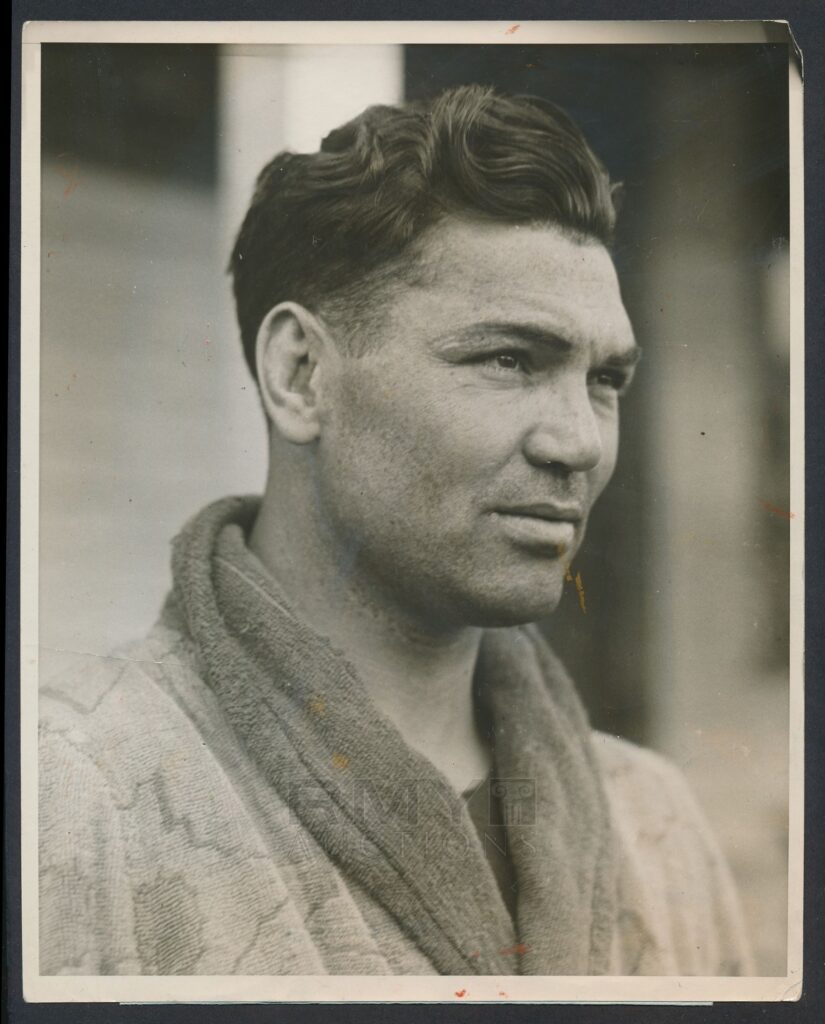
Jack Dempsey

Discover the Unforgettable Legacy of Jack Dempsey Jack Dempsey, born William Harrison Dempsey on June 24, 1895, was one of the most famous American boxers of the early 20th century. He became a cultural icon during the 1920s, an era often referred to as the “Golden Age of Sports.” Dempsey’s aggressive, ferocious style, combined with his charisma, helped make him a global star. Here’s an overview of his career: Early Life and Career Beginnings Dempsey was born into poverty in Manassa, Colorado, and often fought to make ends meet. By the age of 16, he had started his boxing career, adopting the name Jack Dempsey, inspired by a 19th-century boxer known as “Nonpareil” Jack Dempsey. Early in his career, he fought in small venues and saloons across the western U.S., earning a reputation as a tough, hard-hitting fighter. Dempsey was known for knocking out opponents quickly with his powerful punches. Rise to Fame Dempsey’s breakthrough came in 1919, when he fought Jess Willard for the World Heavyweight Championship in Toledo, Ohio. Willard, a much larger man, was the reigning heavyweight champion, but Dempsey demolished him in a brutal fight. Dempsey knocked Willard down seven times in the first round alone. After three rounds of punishment, Willard failed to answer the bell for the fourth round, making Dempsey the new World Heavyweight Champion. Heavyweight Championship Reign (1919–1926) Dempsey held the heavyweight title for seven years, dominating his division with an aggressive, brawling style. He was known for his exceptional punching power, particularly his devastating left hook. Some of his most notable fights during this period include: 1921: Dempsey vs. Georges Carpentier – This was boxing’s first “million-dollar gate” fight. Dempsey knocked out Carpentier in the fourth round in front of a huge audience, cementing his status as a superstar. 1923: Dempsey vs. Luis Firpo – Known as “The Wild Bull of the Pampas,” Firpo was a formidable opponent. In one of the most famous moments in boxing history, Firpo knocked Dempsey out of the ring in the first round. However, Dempsey climbed back in and knocked out Firpo in the second round. The Long Count Fight (1927) Dempsey’s most famous bout came in 1927 against Gene Tunney, a former U.S. Marine and technically skilled boxer. Dempsey had lost the title to Tunney in 1926 in a major upset, and their rematch in Chicago, often called the “Long Count Fight,” became legendary. In the seventh round, Dempsey knocked Tunney down, but instead of going to a neutral corner, he lingered near Tunney, delaying the referee’s count. This gave Tunney extra time to recover, and he eventually went on to win the fight by decision. Dempsey never regained the title after this loss. Later Life  After retiring from boxing, Dempsey remained a popular public figure. He served in World War II and opened a successful restaurant in New York City. Known for his sportsmanship and generosity, Dempsey stayed active in the boxing community and was often seen at major fights. He was inducted into the International Boxing Hall of Fame. Dempsey died on May 31, 1983, but his legacy endures. His fighting style, toughness, and ability to draw massive crowds made him one of the most famous athletes of his era. His influence extended beyond the ring, as he helped transform boxing into a major international sport and set the stage for future heavyweight champions.

Jack Dempsey Read More »

Shopping Cart
Verified by MonsterInsights