George Chuvalo

%alt%

1960 HEAVYWEIGHTS -Dawn of a new era

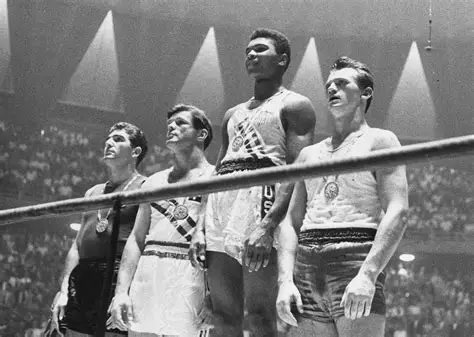
“Dawn of a New Era” 1960s Heavyweights Year by Year Capsule 1960s Heavyweights; “Dawn of a New Era” The 1960s heavyweight division was pure drama—an era of seismic shifts that redefined boxing’s landscape. It began with Floyd Patterson, the youngest heavyweight champion ever, trying to hold off the inevitable rise of Sonny Liston, a fearsome force who embodied raw power and intimidation. But the real upheaval came in 1964, when a brash, poetic 22-year-old named Cassius Clay “shook up the world” by defeating Liston. Clay—soon to be Muhammad Ali—wasn’t just a new champion; he was a cultural revolution in gloves. His style, both in and out of the ring, was unlike anything boxing had seen – fast, flamboyant, and unapologetically defiant. This decade wasn’t just about titles—it was about transformation: Ali’s rise introduced speed, strategy, and showmanship to the heavyweight game. Liston’s fall marked the end of brute dominance as the gold standard. (until Tyson) Patterson’s resilience kept the old guard relevant, even as the sport evolved. The emergence of sanctioning bodies like the WBA and WBC added complexity to championship legitimacy. And just when Ali seemed unstoppable, his career was halted due to his refusal to be drafted, leaving the division in chaos and setting the stage for the explosive 1970s. The WBA Tournament: Filling the Ali Void When Muhammad Ali was stripped of his title in 1967 for refusing military induction, the heavyweight crown was up for grabs. The World Boxing Association (WBA) launched an eight-man tournament to crown a new champion: Participants included Jimmy Ellis, Oscar Bonavena, Thad Spencer, and Ernie Terrell. Joe Frazier declined to participate, choosing instead to pursue the New York State Athletic Commission (NYSAC) title route. Jimmy Ellis won the WBA tournament, but the legitimacy of the title was questioned—especially with Frazier looming outside the bracket.  Joe Frazier’s Meteoric Rise 1964: Wins Olympic gold in Tokyo, stepping onto the world stage. 1965–1968: Goes undefeated, building a reputation for relentless pressure and a devastating left hook. 1968: Wins the NYSAC heavyweight title by defeating Buster Mathis. In February of 1970, a unified undisputed Champion was crowned when Joe Frazier stopped Jimmy Ellis in five rounds at Madison Square Garden. ****************************

1960 HEAVYWEIGHTS -Dawn of a new era Read More »
%alt%

THE LAST BIG HEAVYWEIGHT FIGHT AT THE OLD GARDEN

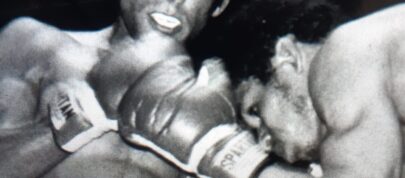
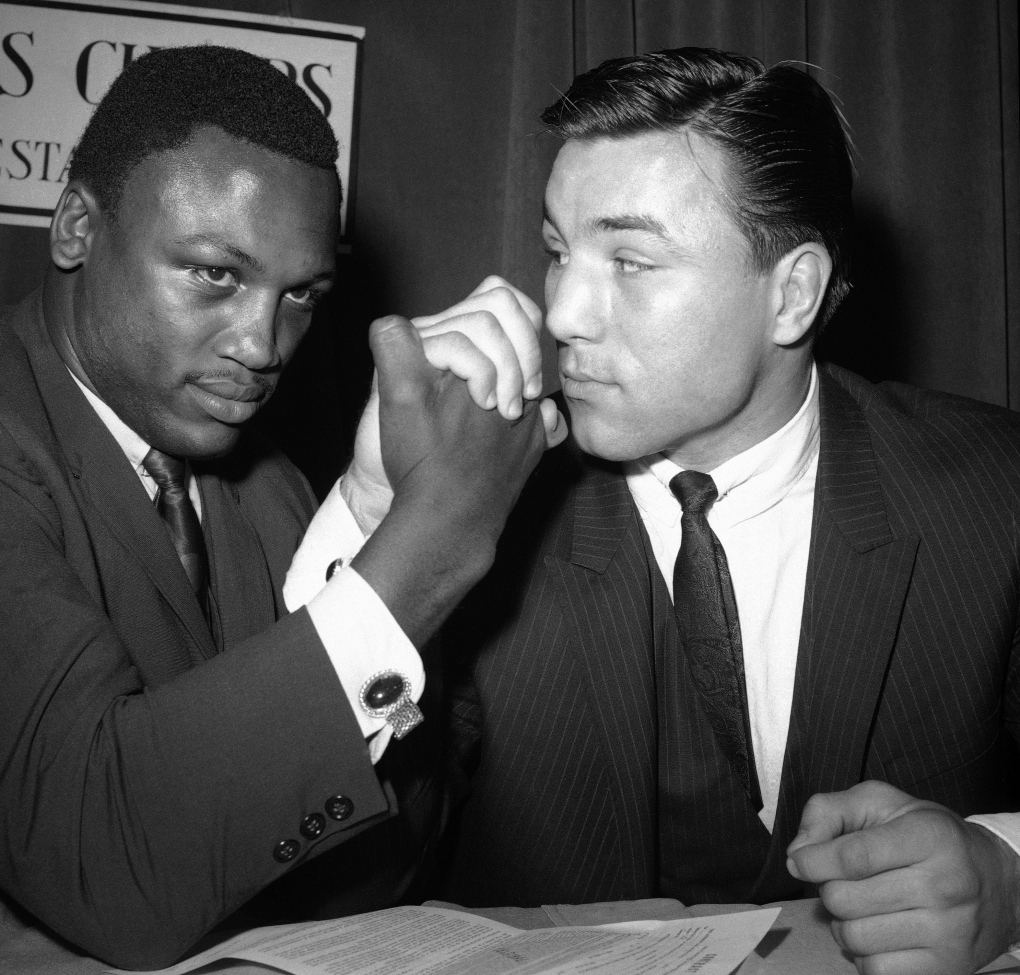
THE LAST BIG HEAVYWEIGHT FIGHT AT THE OL’ MADISON SQUARE GARDEN The Joe Frazier vs. George Chuvalo fight on July 19, 1967 was a significant and memorable bout, especially considering it was the final significant fight held at the old Madison Square Garden (located at 8th Avenue and 50th Street in New York City) before the venue moved to its current location. (33rd & 7th Ave) Key Details of the Fight: Date: July 19, 1967 Venue: Madison Square Garden (III), New York City Fighters: Joe Frazier: A rising heavyweight contender, Frazier was known for his relentless pressure and powerful left hook. He was a former Olympic gold medalist and a rising star in the heavyweight division. George Chuvalo: A tough Canadian fighter, Chuvalo was known for his durability and iron chin. He had a reputation for taking punches from some of the hardest hitters in boxing and surviving. At the time of the fight, he was considered a gatekeeper in the heavyweight division. Chuvalo had already been in the ring with top contenders and challenged for the world heavyweight title (against Muhammad Ali 3/29/1966) and lasted the full 15 rounds. Frazier was an Olympic Gold Medalist and was becoming a rising star in the heavyweight rankings,  and was coming off a tough battle with Oscar Bonavena the year before. After that bout, in which Frazier was floored twice, while winning a split decision, Smokin’ Joe resumed in his climb with impressive KO”s over Eddie Maschan and Doug Jones.  In what turned out to be an impressive  win for Frazier, it was an instrumental event because of Ali’s absence from the ring after his bout with Zoro Foley earlier that year (also at Madison Square Garden)   Significance: Frazier’s victory over Chuvalo helped solidify his place as a legitimate contender for the heavyweight title. Fight Style: The bout was a hard-fought battle, with Frazier applying his trademark aggressive style, constantly coming forward and landing powerful hooks. Chuvalo, as expected, was able to absorb a great deal of punishment but never stopped coming forward. The fight showcased Frazier’s toughness and resilience, as well as his ability to handle a fighter like Chuvalo, who was known for his ability to withstand punishment. Historical Context: This fight was particularly notable because it was the last big event held at the old Madison Square Garden before the arena closed. The original Madison Square Garden, which had hosted many iconic events, including boxing matches, concerts, and other cultural milestones, which opened in 1925, would officially close in 1968, making this fight one of its final moments in history. Aftermath and Legacy: Joe Frazier’s Career: Frazier’s victory over Chuvalo helped set the stage for his eventual title fight against Muhammad Ali in 1971. At this time, Frazier was gaining a reputation for being one of the most formidable heavyweights in the world, and this victory propelled him forward in his career. Interview: Frazier and Chuvalo 2010 Frazier Record Chuvalo Record WHAT A FIGHT!  DVD AVAILABLE ON AMAZON

THE LAST BIG HEAVYWEIGHT FIGHT AT THE OLD GARDEN Read More »

Shopping Cart
Verified by MonsterInsights